

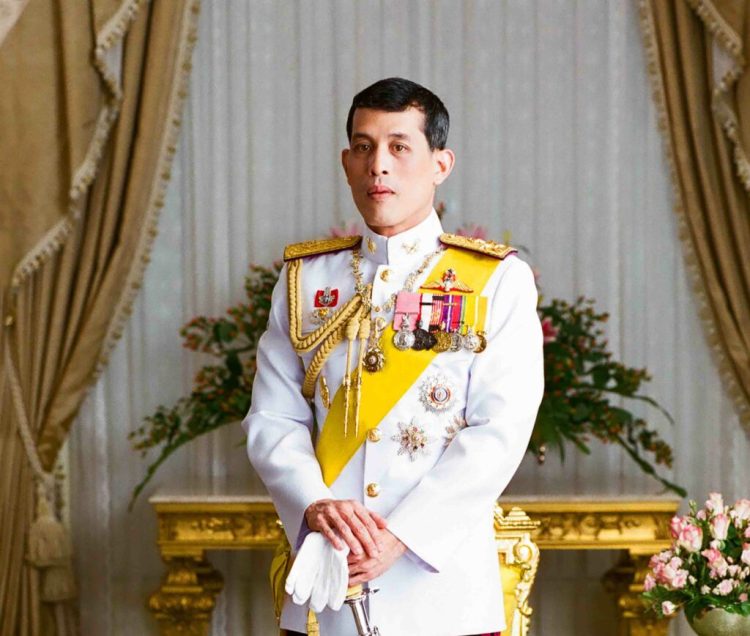
On the tarmac of a private airport somewhere between Europe and the Persian Gulf, a man steps out of a gleaming jet with gold-tinted windows. The crew lines up, heads bowed, as a second jet in the same livery waits behind, engines slowly humming. Far beyond the fences of the runway, 17,000 homes carry his name on the land deeds. In garages scattered across continents, 300 cars rest under silky covers. On coastlines he rarely visits, 52 yachts are tied up, each one alone worth a lifetime of salaries.
He is not a tech founder or a Wall Street legend.

He is a king.


The king whose fortune looks unreal even in 2026
The richest monarch in the world lives in a reality that barely resembles ours. Estimates put his personal and family-controlled wealth north of $40 billion, some say far more if you count the opaque networks of land holdings and state-linked companies. Officially, he is a constitutional monarch. Unofficially, he owns a slice of almost everything you see: banks, telecoms, airports, luxury hotels.
When he travels, it can look less like a royal tour and more like a moving city of steel and kerosene.
The headline numbers sound like a misprint. Around 17,000 homes tied to his vast property empire. At least 38 private jets, many of them long‑range aircraft usually reserved for national airlines. A personal car collection of about 300 vehicles, from custom Rolls-Royces to armored off-roaders.
And then there are the 52 luxury yachts. Some are classic wooden boats, others are megayachts with helipads, spas, cinemas and full-time crews who live onboard for months. One former crew member described in a documentary how a single week’s fuel bill matched a small city’s annual public transport budget.

Behind these numbers sits a simple, blunt structure: the monarchy owns the land and the land prints the money. Oil and gas revenues, sovereign wealth funds, state-backed conglomerates – all flow back towards the royal center.
In many Gulf and Southeast Asian kingdoms, the line between “public wealth” and “personal wealth” is blurry. Palaces double as state offices. Government jets moonlight as family shuttles. Official residences quietly turn into private assets. What looks like one man’s fortune is often a tightly woven web of dynastic control, law, and tradition.
That’s why counting his real net worth is almost impossible.
How do you even live with 38 jets and 52 yachts?
There is a whole industry dedicated to keeping royal excess running. Aviation consultants, yacht brokers, discreet Swiss bankers, London estate managers – they orbit around this kind of king like moons around a planet. Each jet needs pilots, technicians, parts, hangars. Each yacht eats up crew salaries, dry docks, refits. Each home has gardeners, security, cleaners, drivers.
The logistics alone could fill a small ministry.
People who’ve worked around these circles often tell similar stories. A last‑minute decision to move a weekend from the Mediterranean to the Maldives triggers a silent scramble: one jet for the king, one for entourage, one for luggage and security gear. Yachts reposition quietly days in advance, burning thousands of liters of fuel before a single royal foot touches the deck.
One former steward described a typical day at sea: breakfast table set for ten, with imported fruit and pastries from three countries. Two guests show up. Everything else goes straight into the bin. Let’s be honest: nobody really does this every single day. Yet when the king is on board, the rule is simple – abundance first, efficiency far behind.

Why so many homes? Partly security, partly protocol, partly status. In certain regions, having a palace in every major city is less about comfort and more about power projection. A residence becomes a message: “I am present here, always.”
Cars tell another story: taste, hobbies, sometimes a quiet obsession with engineering. One royal garage might hold a vintage British Land Rover next to an ultra-rare hypercar limited to ten units worldwide. Yachts, on the other hand, are moving privacy. Far from cameras and city noise, a king can host negotiations, family gatherings, or simply drift in silence.
The boats, the jets, the palaces – they’re not just toys,” a former royal adviser once told a local magazine. “They are architecture for influence.”
Jets: project speed and reach, from state visits to surprise business meetings.
Homes: anchor prestige in multiple cities and countries at once.
Cars: stage local appearances that feel glamorous yet controlled.
Yachts: offer floating sanctuaries where decisions can be made off-grid.
What this kind of wealth does to the rest of us
Most of us will never set foot in a royal jet, yet we still live in the shadow of this kind of fortune. Social media pulls those private worlds right into our palms. A blurred photo of a golden bathroom tap. A leaked interior shot of a jet with a king-sized bed and marble sinks. A satellite view of a palace so large it has its own golf course and zoo.
Scroll long enough and you start to feel either numb or quietly furious.
There’s a strange tension here. On one side, royal wealth is wrapped in ceremony, religion, national pride. On the other, nurses, teachers and young graduates in those same countries often juggle two jobs to pay rent. When oil prices soar, the palaces glow brighter. When they fall, public budgets tighten while the private jets keep flying.
We’ve all been there, that moment when you compare your crowded morning commute with a news image of a monarch stepping directly from limousine to aircraft stairs. It hits hard because it’s not just about money; it’s about who gets to move through the world without friction.
Some defenders argue that ultra-rich kings fuel entire economies: jobs in hospitality, construction, aviation, luxury retail. They talk about philanthropy, scholarships, big donations after earthquakes or floods. Critics answer with a plain-truth sentence: royal charity doesn’t erase royal extraction.
The real question isn’t whether one king “deserves” 17,000 homes. It’s what happens to a society when so much power and property concentrates in one bloodline for generations. Does that freeze mobility for everyone else? Or can it coexist with thriving middle classes and real political voice?
Those are the conversations quietly starting in living rooms, cafés and encrypted group chats from Kuala Lumpur to Kuwait City.










Discussion about this post